

No country on earth punches above its weight in baseball like the Dominican Republic.
The DR covers about 18,700 square miles — roughly the size of Vermont and New Hampshire combined — and holds 11 million people. It has no MLB franchise, no billion-dollar stadium, no youth development budget that comes anywhere close to what a single American travel-ball circuit spends in a weekend. And yet, when the 2025 MLB season opened, 89 Dominican-born players were on active rosters — more than any other foreign nation. Over 130 Dominican prospects appear on MLB teams’ Top-30 lists. Dominicans make up roughly 10–11% of the entire league.

That is not a coincidence. That is a culture.
The Stars: Who’s Playing, and How Good They Are
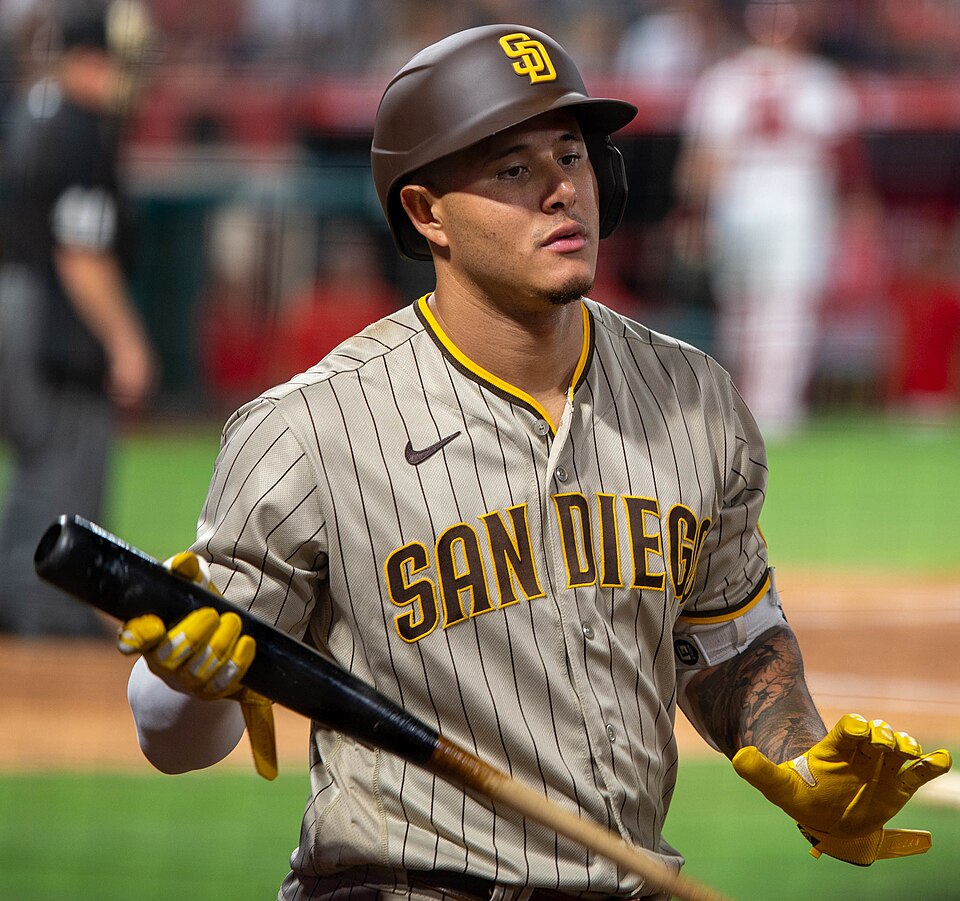
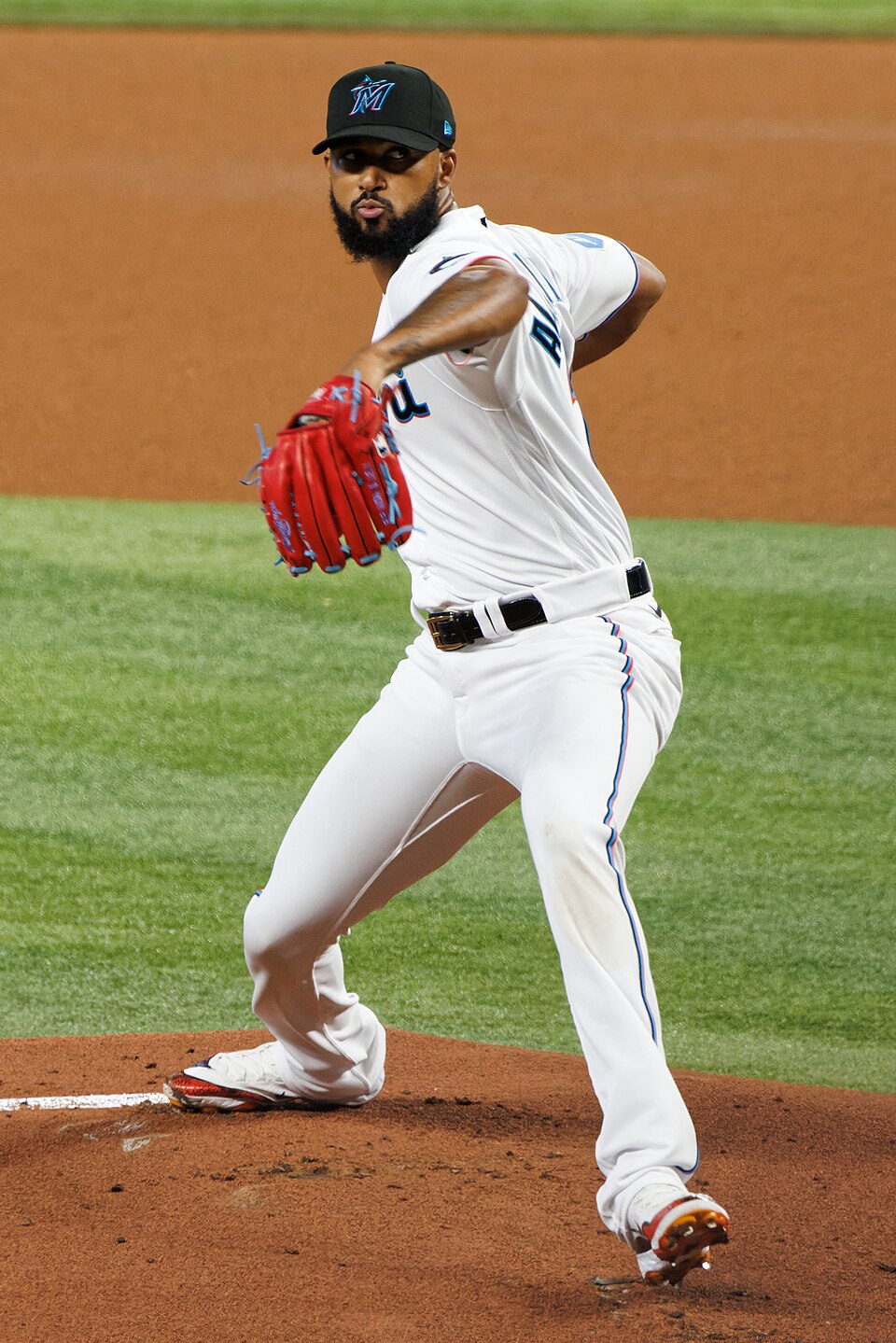
Start with the names any baseball fan already knows.
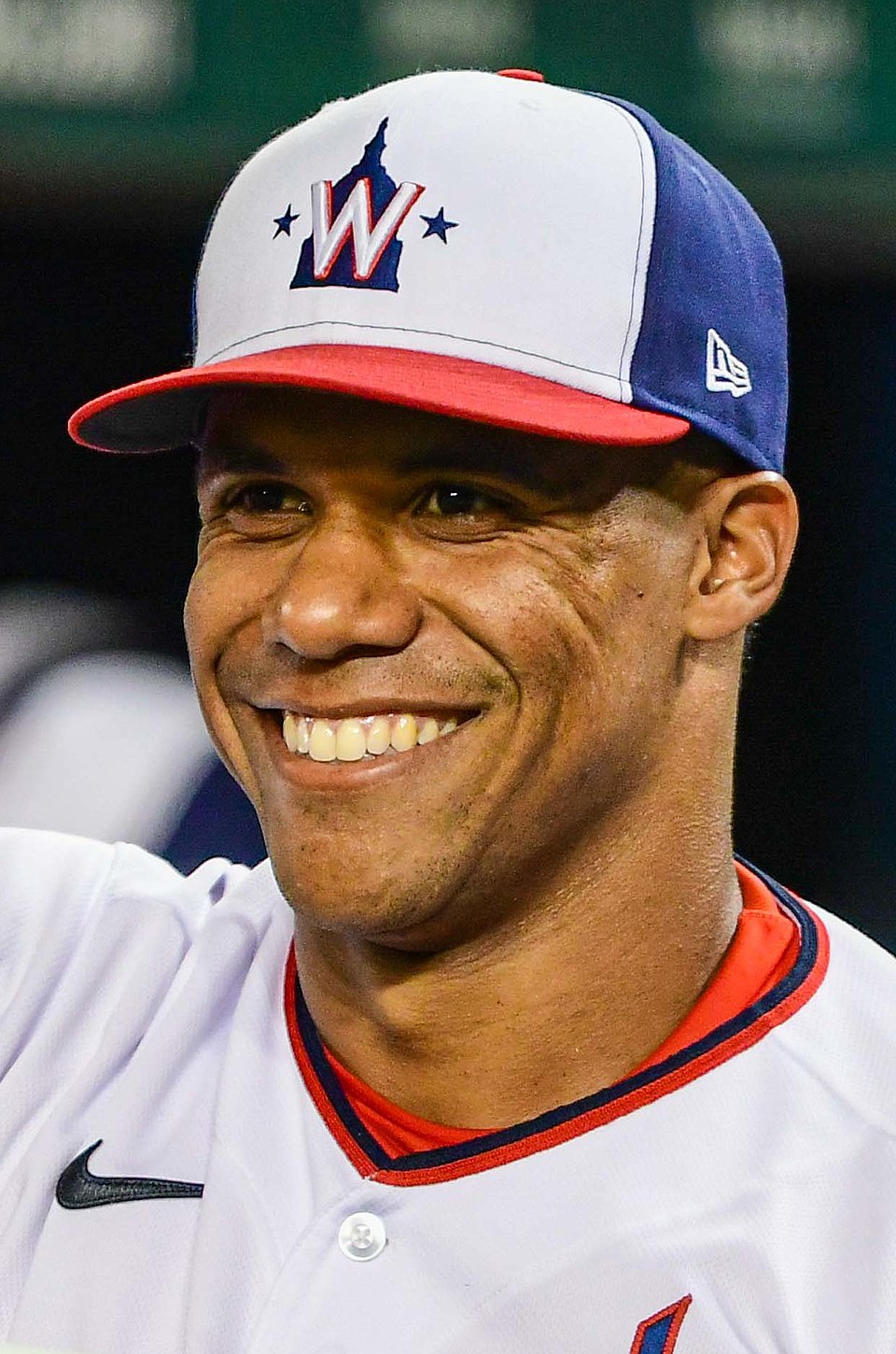
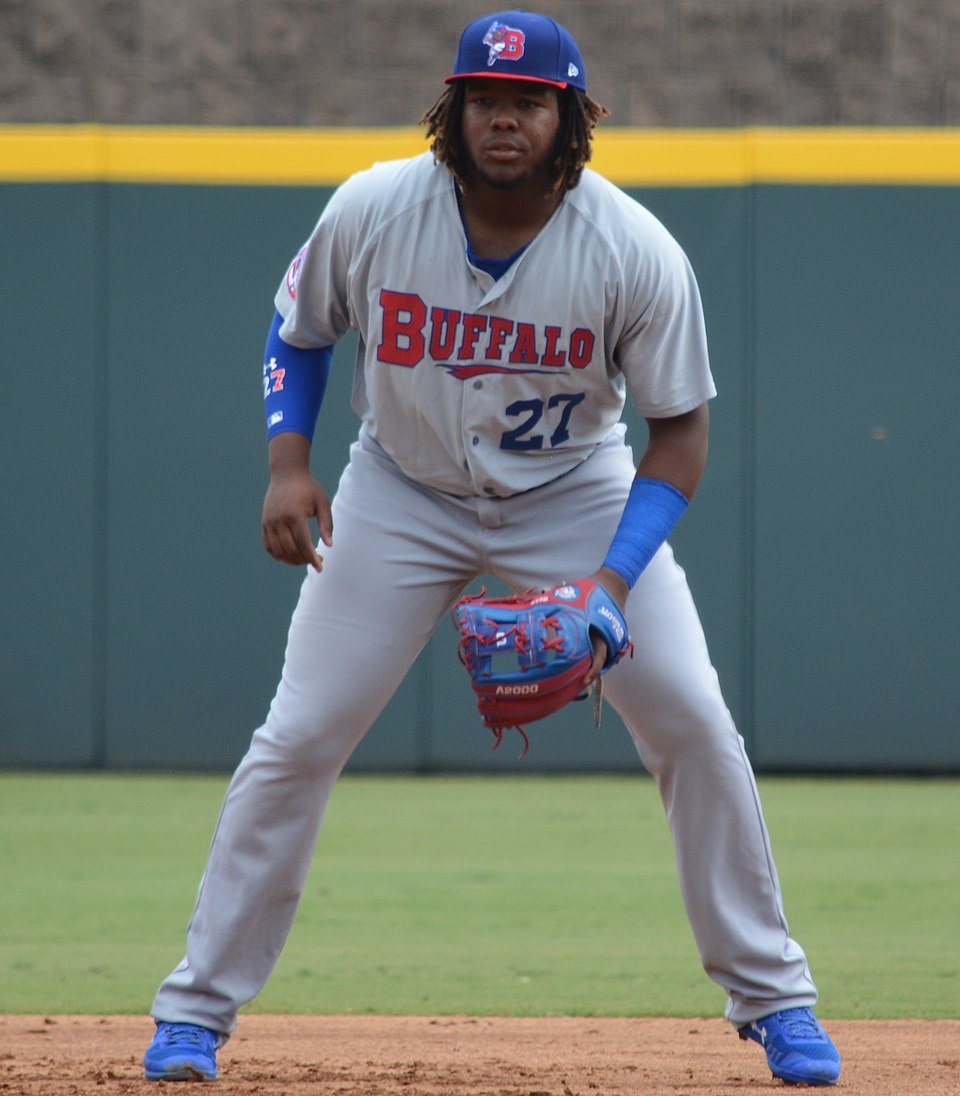
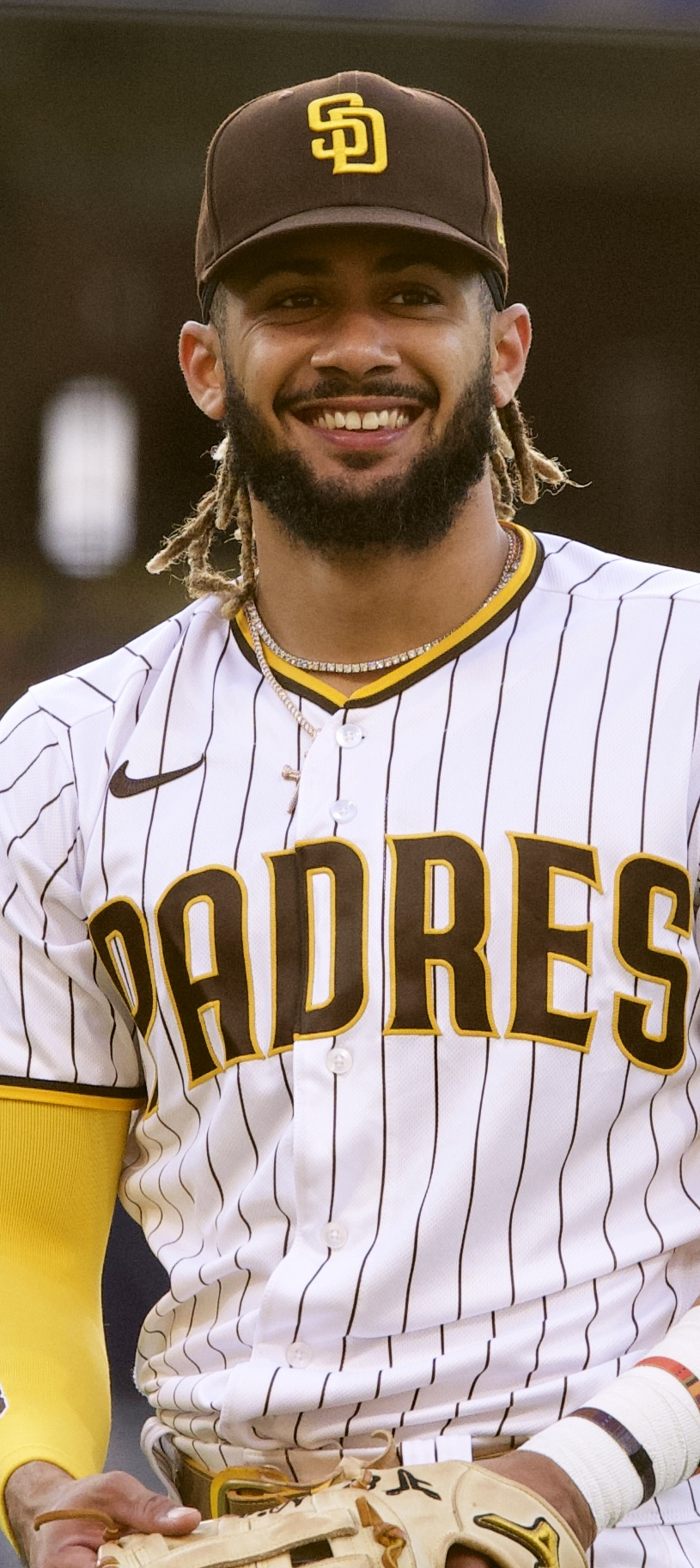
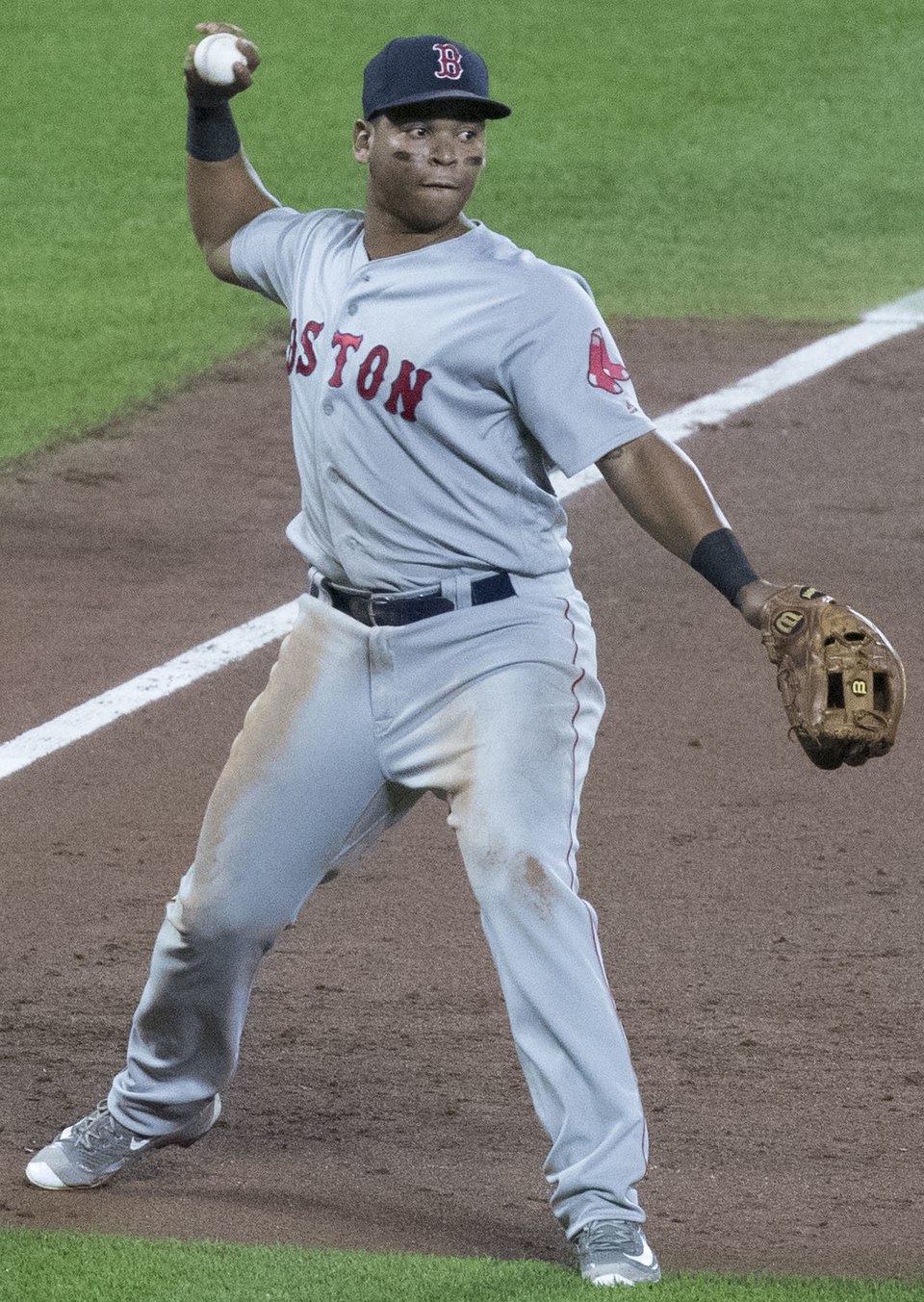
Juan Soto redefined plate discipline for a generation. His walk rate is elite, his at-bat quality is otherworldly, and at 26 he’s already being discussed in the same breath as the all-time greats. Vladimir Guerrero Jr. arrived in Toronto carrying one of baseball’s most iconic surnames and proceeded to make it his own — a 500-homer ceiling, a laser arm at first base, a swing that would have made his Hall of Fame father jealous. Rafael Devers is the kind of hitter who makes pitching coaches lose sleep. Fernando Tatís Jr. plays shortstop like he’s auditioning for a film reel. Manny Machado has been one of the most consistent corner infielders in baseball for over a decade.
On the mound, the Dominican Republic’s grip on MLB is just as strong. Sandy Alcántara won the 2022 NL Cy Young Award and remains one of the most durable starters in the game. Luis Castillo is a frontline ace in Seattle. Framber Valdez anchors the Houston Astros’ rotation with one of the best sinker-curveball combinations in the sport. These aren’t role players filling out a roster — they’re pitchers who define playoff rotations.
And the next wave is already here.
Julio Rodríguez (Seattle Mariners) won the 2022 AL Rookie of the Year and plays with a joy that’s impossible to manufacture. Elly De La Cruz (Cincinnati Reds) led MLB in stolen bases in 2024 and looks like a force of nature every time he steps on the field. Jhoan Durán is one of the most dominant closers in the game — a splinker-throwing right-hander who can hit triple digits without breaking a sweat. Noelvi Marte, Santiago Espinal, Enmanuel Valdez, and Heriberto Hernández — making his 2025 debut with the Marlins — round out a wave of talent that shows no sign of slowing.
The trend lines on the mound are particularly striking. Dominican pitchers have accumulated WAR numbers at levels that would have been unimaginable thirty years ago, when the DR was primarily known for position players. The country has diversified its export. It doesn’t just produce hitters. It produces aces.
Where the Talent Comes From
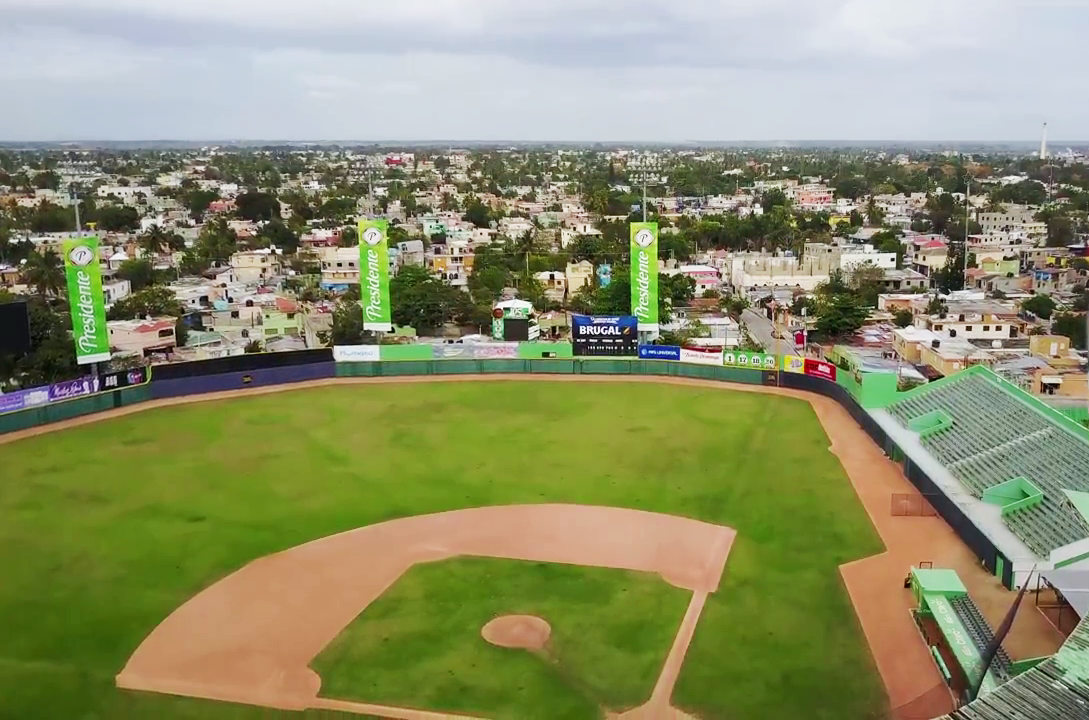
Estadio Tetelo Vargas, San Pedro de Macorís — the shortstop factory of the world. Photo: Wikimedia Commons (CC BY-SA).
Ask any scout where in the DR to find the best prospects, and they’ll give you the same answer: San Pedro de Macorís, which has produced so many shortstops it earned the nickname “the shortstop factory of the world.” Santo Domingo and Santiago are the other gravitational centers, with baseball academies clustered around the capital and the country’s second-largest city.
But talent isn’t geography. It’s culture.
Listen while you read
Spend a Sunday morning in Barahona — the southwest, four hours from the airport tourists use, far from the resorts — and you’ll understand. Bachata drifting out of a colmado. Kids in the street playing vitilla with a broomstick and a bottle cap. The improvisation is total, the commitment is absolute, the swings are already correct. LIDOM winter league games pack stadiums across the island every year. The national team draws crowds that treat baseball the way other countries treat football. The game is not a hobby in the DR. It is a shared religion.
That’s the background that produces 89 MLB players from a country with 11 million people. That’s why scouts have staffed academies here since the 1970s, why every MLB team has a Dominican facility, why the international signing market in July can move a DR-born 16-year-old for a bonus that changes his family’s life in a single day.
The talent is real. The love of the game is real. The pipeline works — for the ones it works for.
But for every name in a box score, there are thousands who trained just as hard and never got the call. And what happens to them is a story the baseball world doesn’t tell often enough.
The System Behind the Pipeline

Here’s how Dominican baseball actually operates at the youth level.
A boy shows talent at 10 or 11. An unregulated private trainer — a buscón, from the Spanish buscar (to search), with all the connotations of a hustler attached — approaches his family. The pitch is always some version of the same sentence: Your son has talent. I can get him in front of MLB scouts. Education can wait.
In communities where formal employment is scarce and a single signing bonus can represent decades of household income, that pitch lands hard.
The boy drops out. He trains 6–8 hours a day, six days a week, sometimes at a decent facility, sometimes on a dirt lot without medical care. The buscón has an informal agreement: if the boy signs with an MLB team, the buscón takes 25 to 50% of the signing bonus. The family often doesn’t fully understand the terms. They sign because they believe. Because what else is there?
If the boy signs, the buscón gets paid. If he doesn’t — which happens to roughly 98% of boys who enter the system — the buscón moves on. The boy returns home at 17 or 18. No diploma. No plan. No options.
The math is brutal: approximately 40,000 boys are eligible to sign at 16 each year. Roughly 550–600 get contracts. Most are released within two years. Fewer than 3% of signings ever play in a single MLB game. Two percent of all boys who trained ever earn a living from baseball. The other 98% are left to figure it out.
And then there is the part that rarely makes it into the feature stories.
PEDs — given to children.
One international scouting director estimated that roughly 80% of Dominican signees were given anabolic steroids between the ages of 11 and 13 to make them physically look older and attract larger pre-deal interest from MLB teams. The incentive is direct: teams pay bigger bonuses for younger-looking, physically developed players. Steroids are how a 12-year-old gets the body of a 16-year-old. Until 2024, they were sold over the counter at Dominican pharmacies without a prescription.
In July 2024, a 14-year-old named Ismael Ureña Pérez came home from a buscón’s academy and told his mother he was never going back. The next morning, his urine was red and his skin was jaundiced. After three days in intensive care and a medically induced coma, his organs failed. Lab tests pointed to prolonged steroid abuse — specifically boldenone, a veterinary anabolic. His initial complaint to local prosecutors was ignored. The story only broke nationally when Diario Libre published it months later.
Ismael was 14 years old.
His case triggered the DR’s first-ever anti-PED law — 5 to 20 years in prison for administering prohibited substances to minors. As of mid-2026, no charges have been filed. Hundreds have marched on the capital demanding accountability. Dominican baseball reporter Héctor Gómez called it “the drop that overflowed the cup.”
The “No Plan B” Reality
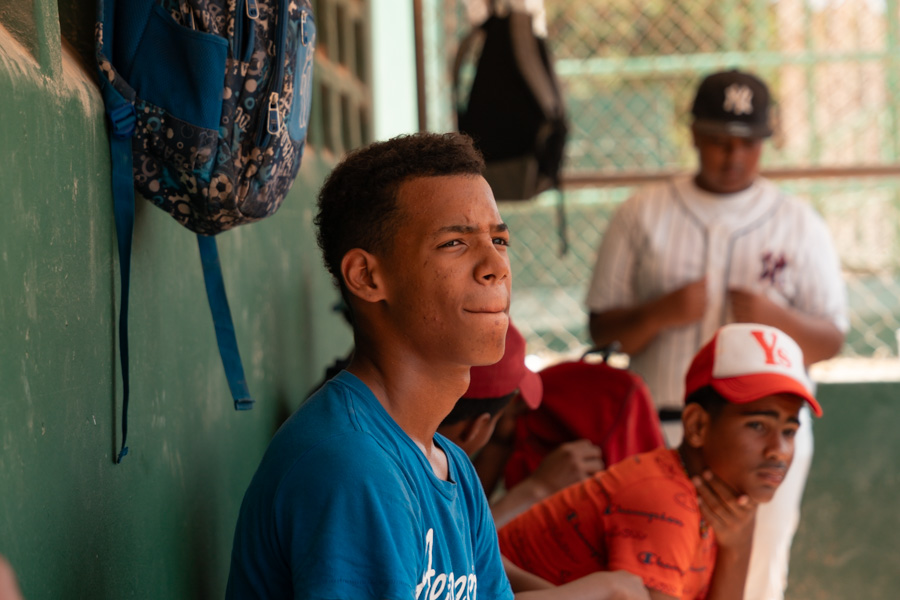
The tourists who fly into Punta Cana see the DR they’re supposed to see: all-inclusive resorts, turquoise water, fresh fruit at breakfast. The island is genuinely beautiful.
Barahona is four hours west. No resort. No international airport. Families in stick houses with tin roofs, in a region where the agricultural minimum wage runs about $11 a day. A family of four needs more than double a full-time farm worker’s earnings just to clear the official poverty line.
80% of Dominican children who enroll in first grade never reach ninth grade. That figure — documented by the Haese Academy and corroborated by IDB data showing only 49% of Dominican students are on track by grade 9 — sits behind every youth baseball conversation in the country. The national upper-secondary completion rate is around 60%. In the rural southwest, it’s worse.
Without a high school diploma — a bachillerato — doors that exist elsewhere stay shut. You can’t join the police or military. You can’t access formal-sector jobs with benefits. You’re out of consideration for nursing, teaching, government work, banking, tourism management, and most technical training programs.
The buscón isn’t just selling baseball. He’s selling the only ladder a lot of these families can see.
Julio Zenón’s Story

Julio Zenón was 14 when his mother found Empower Baseball.
He’d already been in the buscón pipeline. Dropped out of school, training full-time, betting everything on the 2% shot. When his parents separated and things got harder at home, his mother started looking for something different. She’d heard about a program in Barahona that required school attendance, provided free baseball training, and didn’t take a single peso if a kid got signed.
She brought Julio in.
Julio is now on track to graduate high school — a diploma that felt completely out of reach two years ago. He still dreams of playing professionally, in a Dominican league or wherever the game takes him. But now baseball is his dream, not his life raft. If the call doesn’t come, Julio has options. That’s what a diploma does. It turns a single desperate bet into a real hand of cards.
Beyond the Diamond
For every Dominican player who makes the MLB, thousands are left behind.
Empower Baseball works in one of the poorest regions of the Dominican Republic, giving kids the education, mentorship, and training they need — whether or not baseball becomes their career. $5/month helps cover tutoring, school supplies, meals, and safe training.
Support a Player Today100% tax-deductible · EIN 85-0947825
What Empower Baseball Is Actually Doing
I’m Brian Straley. I’ve known the DR since the late 1990s, when I served a mission in Santo Domingo West. I brought my glove expecting organized baseball and found kids playing with broomsticks and bottle caps. Twenty-five years later, I run Empower Baseball out of Barahona — the same corner of the southwest that’s still one of the poorest regions in the country, still producing dreamers, still getting its heart broken by a system that was never built to protect them.
There are no offices. No gleaming headquarters. Two fields — one for the older kids, one for the younger ones. The field is the hub.

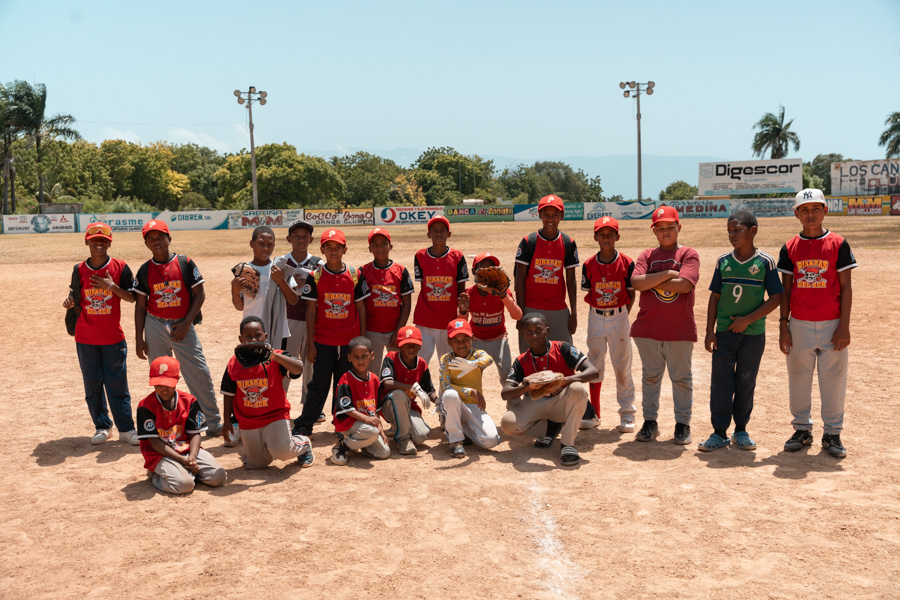
We have 46 active student-athletes ages 5–18, with a waiting list we can’t yet serve. Three teams compete in an 8-team city league in Barahona. The program runs 365 days a year — this isn’t a clinic, it’s a community.
The rule to play is simple and non-negotiable: you must be enrolled in school, maintain at least a 70% grade average, and sign a written commitment to graduate high school. Drop below that, you lose access to the program. Every kid on our roster knows it. Baseball is the hook. The diploma is the price of admission.
Our GM, Bernarda Acosta, has been my partner in this since before Empower existed — I’ve known her for 25 years since my missionary days in Barahona. She tracks grades directly with families and schools. She knows these kids in a way no American nonprofit could manufacture. Head Coach Ulises Batista trains them on the field. Rosa handles our content. Everyone else is volunteer.

The program costs about $8,000 a month total — that works out to $14.50 per student per month. A week of tutoring support costs $2.50. A school uniform — the single most common reason kids drop out — costs $25. I fund 95% of this myself. I work full-time as an Operations Manager in Utah and run Empower Baseball on nights and weekends for free. When I say every dollar goes to the kids, I mean it literally.
Our graduation rate is 100%. Our school enrollment rate is 100%.
100% school enrollment.
With a bachillerato in hand, these kids can enroll in police or military service, apply for INFOTEP technical training, and qualify for MESCyT national scholarships covering half of university tuition. For families connected to the LDS Church — which includes some of ours — the Perpetual Education Fund opens additional doors; BYU-Pathway Worldwide has enrolled nearly 4,000 Caribbean students since 2014, a full bachelor’s degree for around $7,000–8,800 total. J-PAL research shows a high school graduate in the DR earns 41% more than someone with only primary schooling. Not just more money — more options. The ability to choose.
When I visit Barahona, families still ask me: “How do we get our kids signed?” They want a buscón connection. They want the dream, because the dream is the only visible option. I don’t blame them. If I’d grown up where they grew up, I’d be asking the same thing.
What I try to show them — what Julio Zenón is proof of — is that there’s another question worth asking: What happens to my kid if baseball doesn’t work out?
Juan Soto, Vlad Jr., Rafael Devers, Julio Rodríguez, Elly De La Cruz — these players inspire millions of kids in the Dominican Republic, including the 46 on our fields in Barahona. That inspiration is genuine and it matters. But inspiration without infrastructure is just cruelty with a good soundtrack.
The stars prove Dominican baseball is real. They don’t fix what happens to everyone else.
I don’t care if we ever send a kid to Major League Baseball. If we can help these kids graduate, attend college or trade school, and break generational poverty, then we’ve done something that truly matters.
That’s what we’re selling in Barahona. Not MLB dreams. Options.
Help Kids Like Julio
Julio is almost there. Will you help him cross the finish line?
Julio is on track to graduate high school — something that felt impossible two years ago. Your monthly gift of $5 helps keep kids like Julio in school, on the field, and moving toward a future with real options. Empower Baseball is 95% self-funded. Every dollar you give goes straight to the kids.
Give $5/Month for Julio100% tax-deductible · EIN 85-0947825 · givebutter.com/zD4wd3